Porous alumina ceramic supports are gaining attention in the catalyst industry for their strong performance under high heat and their ability to provide large surface areas. These supports help chemical reactions happen faster and more efficiently by giving catalysts a stable place to work.
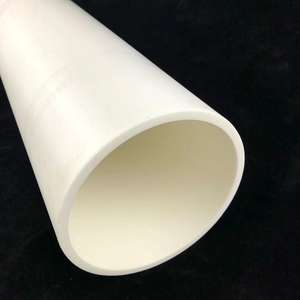
(Porous Alumina Ceramic Supports for Catalysts Offer High Surface Area and Thermal Stability)
The material is made with tiny holes throughout its structure. This design lets gases and liquids move through easily while holding the active catalyst in place. Because of this, reactions can take place across a wide area, which boosts effectiveness.
One key advantage of porous alumina is its ability to handle high temperatures without breaking down. Many industrial processes run hot, and regular materials might crack or lose shape. Alumina stays solid and keeps its structure, even when things get very hot. This makes it ideal for use in demanding environments like chemical plants or emission control systems.
Manufacturers also appreciate that these ceramic supports can be shaped into different forms, such as pellets, tubes, or honeycomb structures. This flexibility helps engineers fit them into various reactor designs without losing performance.
Recent improvements in production methods have made it easier to control the size and number of pores in the alumina. That means companies can now tailor the supports to match specific reactions. Better control leads to better results and less waste.
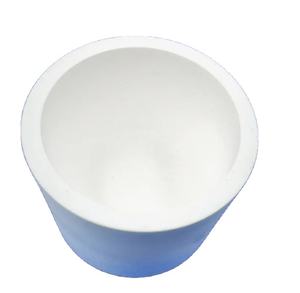
(Porous Alumina Ceramic Supports for Catalysts Offer High Surface Area and Thermal Stability)
Demand for these supports is growing as industries look for cleaner and more efficient ways to run chemical processes. Porous alumina meets that need by offering reliability, durability, and consistent performance over time. Its role in supporting greener technologies is becoming more important as environmental standards tighten worldwide.